Basement Concrete Pouring in Charleston, SC
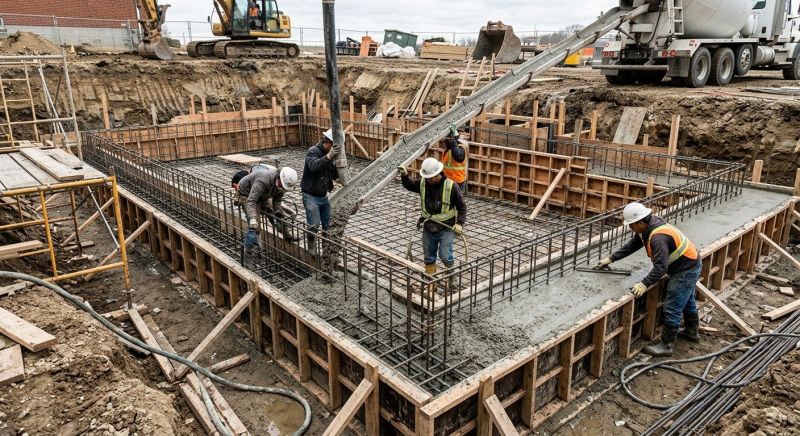
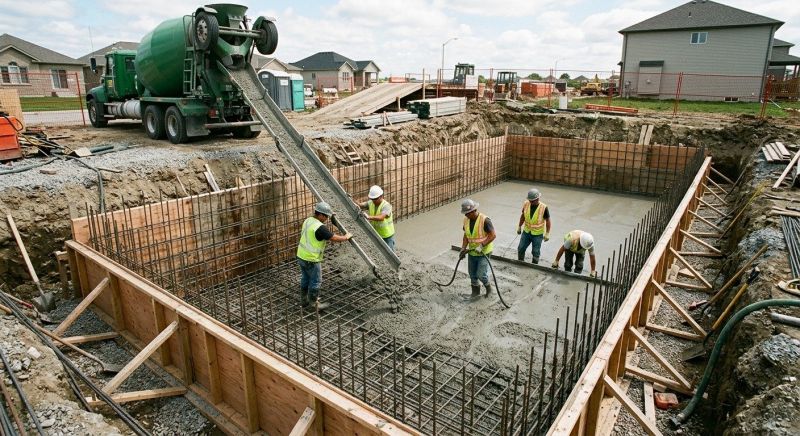
Basement concrete pouring services involve the installation of a solid, durable concrete foundation for below-ground spaces. This process is essential for constructing new basements, finishing existing ones, or reinforcing foundation walls. Property owners often request this service for projects such as creating additional living areas, storage spaces, or ensuring structural stability. Before requesting concrete pouring, homeowners should consider factors like the size and design of the basement, site preparation requirements, and any necessary permits or inspections to ensure the project complies with local building codes.
Understanding the scope of basement concrete pouring also includes knowing about proper drainage, moisture control, and the importance of quality materials. Property owners typically want to know about the durability of the concrete, the timeline for completion, and how the work might impact other aspects of the property. Clear communication about project expectations and site conditions can help facilitate a smooth process, ensuring the basement foundation is built to support long-term use and stability.
Many property owners in Charleston, SC look into Basement Concrete Pouring for repairs, replacements, upgrades, and appearance-related improvements.
Foundation Strength And Stability
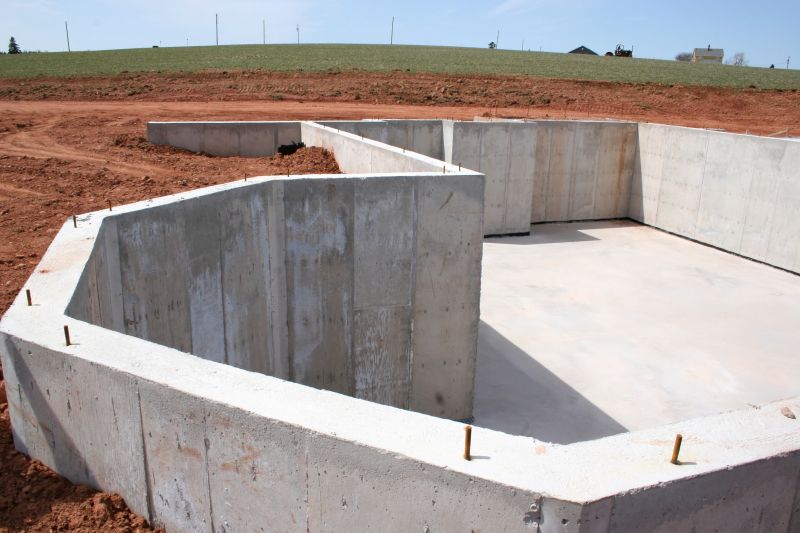
Proper concrete pouring ensures a durable and stable basement foundation for charleston homes.
Custom Basement Projects
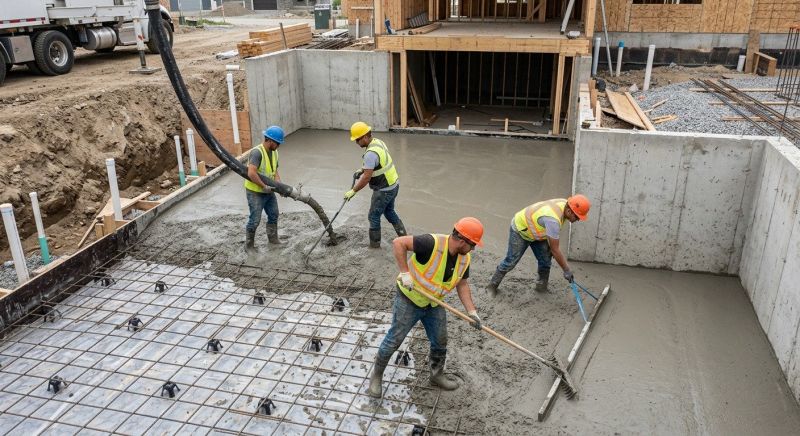
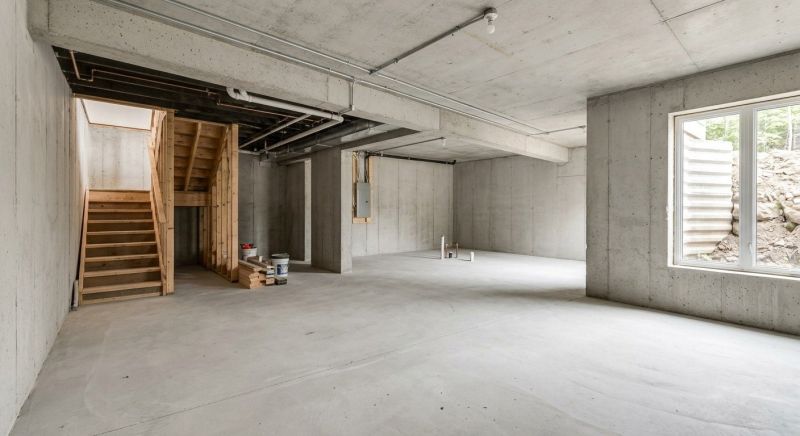
Concrete pouring supports a variety of basement finishes, from additional living space to storage areas.
Quality And Longevity
Using skilled techniques helps achieve a long-lasting basement structure that withstands local conditions.
Basement Concrete Pouring in Charleston, SC

Basement concrete pouring services involve the installation of a solid, durable concrete foundation for below-ground spaces. This process is essential for constructing new basements, finishing existing ones, or reinforcing foundation walls. Property owners often request this service for projects such as creating additional living areas, storage spaces, or ensuring structural stability. Before requesting concrete pouring, homeowners should consider factors like the size and design of the basement, site preparation requirements, and any necessary permits or inspections to ensure the project complies with local building codes.
Understanding the scope of basement concrete pouring also includes knowing about proper drainage, moisture control, and the importance of quality materials. Property owners typically want to know about the durability of the concrete, the timeline for completion, and how the work might impact other aspects of the property. Clear communication about project expectations and site conditions can help facilitate a smooth process, ensuring the basement foundation is built to support long-term use and stability.
Many property owners in Charleston, SC look into Basement Concrete Pouring for repairs, replacements, upgrades, and appearance-related improvements.
Common Basement Concrete Pouring Jobs
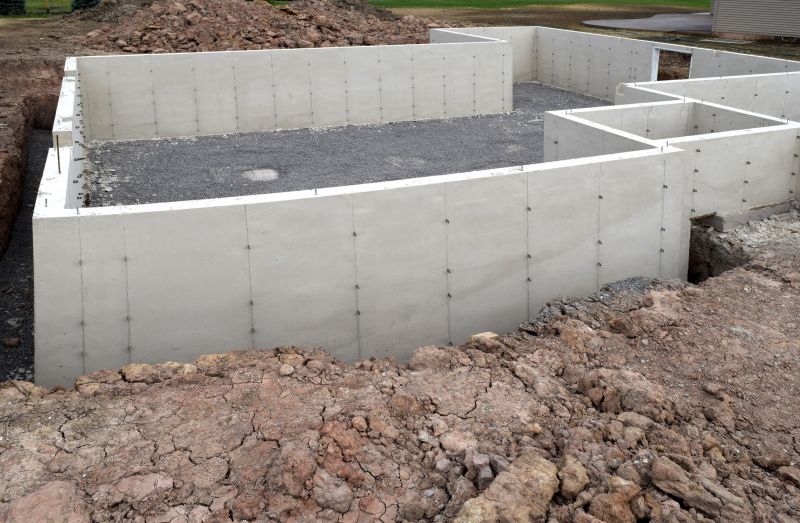
Basement foundation pours - essential for creating a stable base for new basement structures.
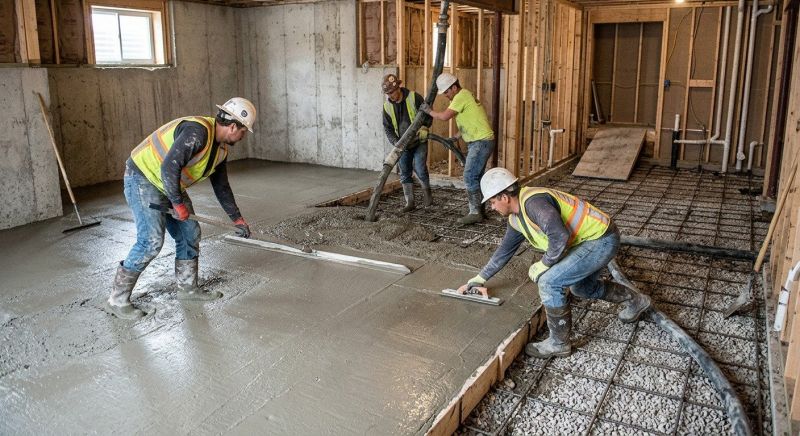
Interior basement slabs - used to level and strengthen basement floors for finishing or storage.
Exterior retaining wall pours - support soil and prevent erosion around basement areas.
Garage and driveway slabs - provide durable surfaces for parking and access points.
Basement waterproofing pours - help create a moisture-resistant foundation to protect against water intrusion.
Concrete reinforcement pours - ensure added strength and durability for basement walls and floors.
Basement Concrete Pouring Questions
What types of projects require basement concrete pouring? Basement concrete pouring is typically used for foundation slabs, flooring, or structural support in residential and commercial properties.
How thick should a basement concrete slab be? The standard thickness for basement slabs is usually around 4 to 6 inches, depending on the load requirements and local building codes.
What preparations are needed before pouring basement concrete? The area should be cleared, properly leveled, and reinforced with rebar or wire mesh to ensure stability and durability.
Is waterproofing necessary after pouring basement concrete? Waterproofing is often recommended to prevent moisture penetration and protect the concrete over time, especially in humid or wet environments.
Request Basement Concrete Pouring in Charleston, SC
Use the quote form on this page to share the basics of your project and request more information for the type of work you need.